
The padel court industry has a transparency problem. A club owner Googles “padel court supplier” and finds hundreds of factories, traders, and brokers claiming the same thing: “best quality, best price, OEM, turnkey.” Some are world-class manufacturers. Some are middlemen reselling another factory’s courts with a markup. Some are traders who disappear after the deposit.
This guide is the vetting checklist we’d use if we were buying from someone else. Twelve questions, what the right answers sound like, and the documentation that separates serious suppliers from risky ones.
Key Takeaways
– A real manufacturer answers with documents: test certificates (EN 12150, SGCC), structural calculations, CAD drawings, and a packing list. A trader answers with adjectives.
– Ask who owns the factory — then verify. “We are a factory” is the most-abused claim in the industry; request video tours, export records, and third-party inspection.
– Certifications are the gate: EN 12150 (tempering), EN 14179 (heat soak), SGCC/ANSI Z97.1 (US), plus structural calculations for wind load.
– The 8-question glass test (from our glass buyer’s guide) is a fast filter for technical depth.
– Payment terms and warranty reveal intent: 30/70 with balanced milestones beats 50/50 upfront; a 5+ year written warranty with a replacement policy beats verbal promises.
The 12 Questions
1. Are you the manufacturer, and can you prove it?
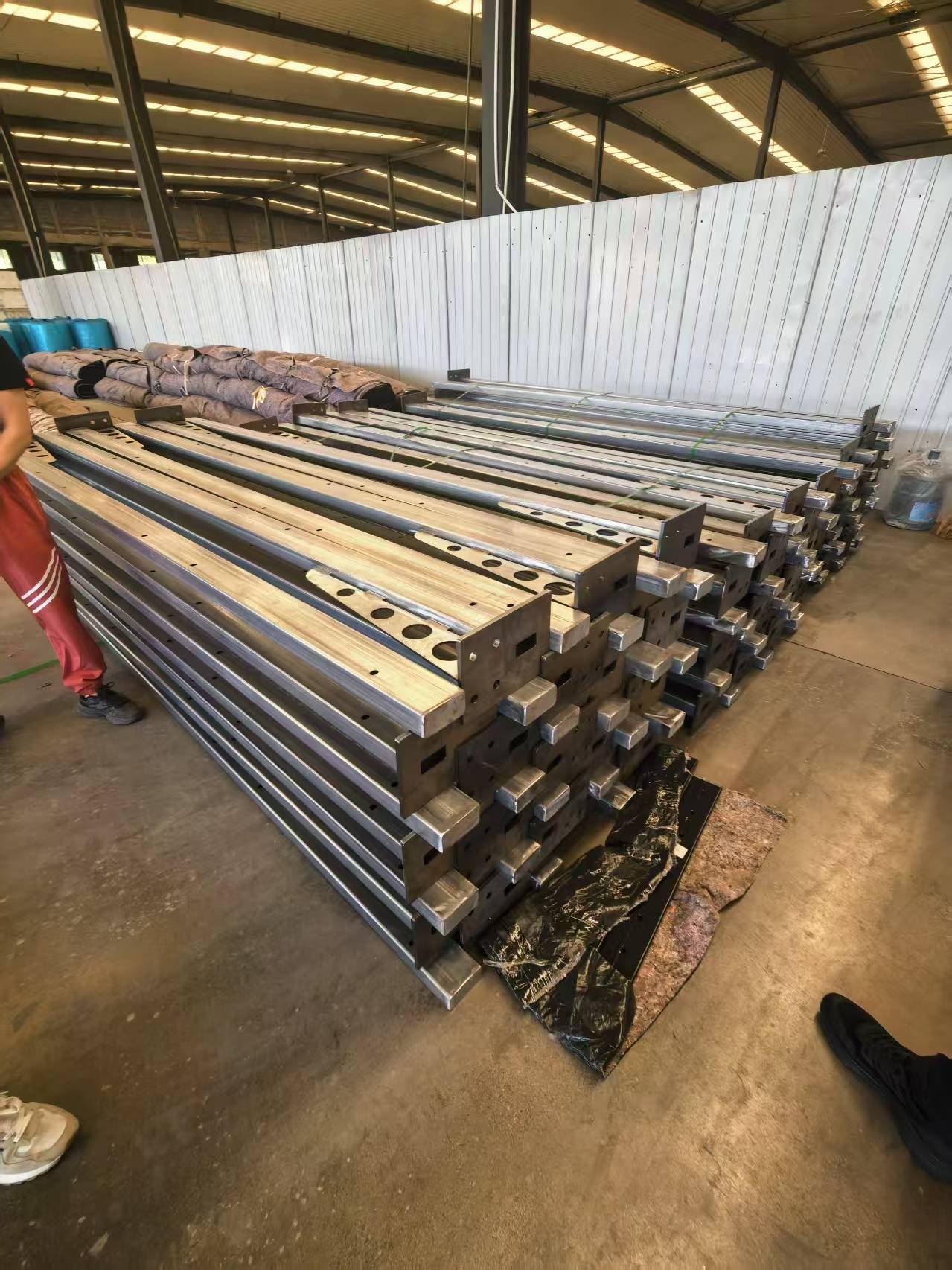
The right answer is a factory tour (video works), export records, and a production line description that matches their claims. Ask for photos of their production with their logo — traders often reuse stock photos.
2. Can you send test certificates per batch?
EN 12150 fragmentation tests, EN 14179 heat-soak records, SGCC numbers (verify in the SGCC directory). Batch certificates, not a single sample from 2019.
3. Can you provide structural calculations for my site?
Wind load, snow load, and steel sizing for your location. If they can’t calculate, they can’t engineer — and your court will fail in a storm.
4. What glass thickness and type do you recommend — and why?
10 mm vs 12 mm, tempered vs laminated, low-iron for panoramic. The right answer shows the reasoning tied to your court type and climate (see glass guide).
5. What is your installation support model?
Drawings only? Remote supervision? Local install team? Turnkey? For most buyers, remote supervision + a trained local crew is the sweet spot; “no support” is a red flag.
6. Can you show me your packing and logistics for export?
A-frame steel racks, edge protection, plywood crating. Transit edge damage is a top breakage cause — a supplier without a packing standard is shipping you future claims.
7. What’s your production lead time — and your honest schedule risk?
Glass is the longest-lead component. Honest timelines here predict honest behavior everywhere else (see our installation guide).
8. What warranty do you provide, in writing?
Steel (10 years?), glass, turf, and workmanship — each with a documented replacement policy. Verbal warranties are worth nothing at claim time.
9. What are your payment terms?
Balanced milestones (e.g., 30% deposit, 40% at production, 30% before shipment) protect both sides. Heavy upfront payments (>50%) fund the trader’s margin, not your court.
10. Can you customize — colors, branding, non-standard sizes?
A real factory says yes with CAD and samples; a trader says yes with hesitation (see custom court guide).
11. Who else have you built for — and can I contact them?
Reference projects with contactable buyers. The absence of verifiable references is the loudest silence in the industry.
12. Can you put the full scope in writing — and stick to it?
A written scope (materials, specs, deliverables, timeline, exclusions) prevents the “same price, different scope” game that produces 40% price differences between quotes.
Red Flags: When to Walk Away
- “We are factory” with no verifiable production.
- Certificates that are photos of other brands’ documents (or “certificates on request” that never arrive).
- Price 30%+ below market — margins that low mean a trader’s margin, not a factory’s cost, or non-compliant materials.
- No structural calculations — the most expensive component of a “cheap” court is the one that collapses.
- Payment terms demanding >50% upfront with no milestone verification.
- No written warranty — or a warranty that only covers “manufacturing defects” without defining them.
The Verification Checklist (Before You Sign)
- [ ] Factory identity verified (video tour / export records)
- [ ] Batch test certificates: EN 12150, EN 14179, SGCC (as applicable)
- [ ] Structural calculations for your site’s wind/snow load
- [ ] Written scope: materials, specs, deliverables, exclusions
- [ ] Balanced payment milestones
- [ ] Written warranty with replacement policy
- [ ] Reference projects with contactable buyers
- [ ] Packing/logistics standard for export
- [ ] Installation support model defined
- [ ] Lead time and schedule risk in writing
Print this list. A serious supplier fills it out in a day. A trader fills it with excuses.
How do I verify a padel court manufacturer?
Request a live video factory tour, export/customs records, batch test certificates (EN 12150, EN 14179), and reference projects with contactable buyers. Verify SGCC numbers in the official directory. A real manufacturer can produce all of it; a trader cannot.
What certifications should a padel court supplier have?
At minimum: EN 12150 (thermally tempered glass) and EN 14179 (heat-soak) in Europe; SGCC/ANSI Z97.1 for North America. Plus structural calculations for wind/snow load and, ideally, third-party inspection reports.
What is a fair payment structure for a padel court?
Balanced milestones protect both sides: roughly 30% deposit, 40% at production completion, 30% before shipment. Avoid heavy upfront payments and ensure each milestone has verification (photos, inspection reports).
How much does it cost to import a padel court from China?
The court itself is only part of the total: freight, duties, foundation, installation, and site prep typically add 50-100%+ on top of the FOB price. Get a full landed-cost breakdown before comparing quotes (see padel court cost guide).
Should I buy from a factory or a local reseller?
Factory-direct is cheaper and puts engineering responsibility on the maker; a good local reseller adds installation, support, and local warranty handling. The right choice depends on your project’s complexity and your team’s ability to manage logistics.
Conclusion: Buy the Documentation, Not the Pitch
The padel court market rewards buyers who ask for paperwork. Test certificates, structural calculations, written scope, balanced payments, and a real warranty aren’t optional extras — they’re the entire difference between a professional supplier and a trader. Every serious supplier welcomes these questions. Every trader fears them.
Ask the twelve questions, work the checklist, and you’ll find the supplier who builds your court instead of the one who just sells it. Talk to the XTZ Padel team — we’ll answer all twelve in writing, starting with the factory tour.