Stronger structural stability
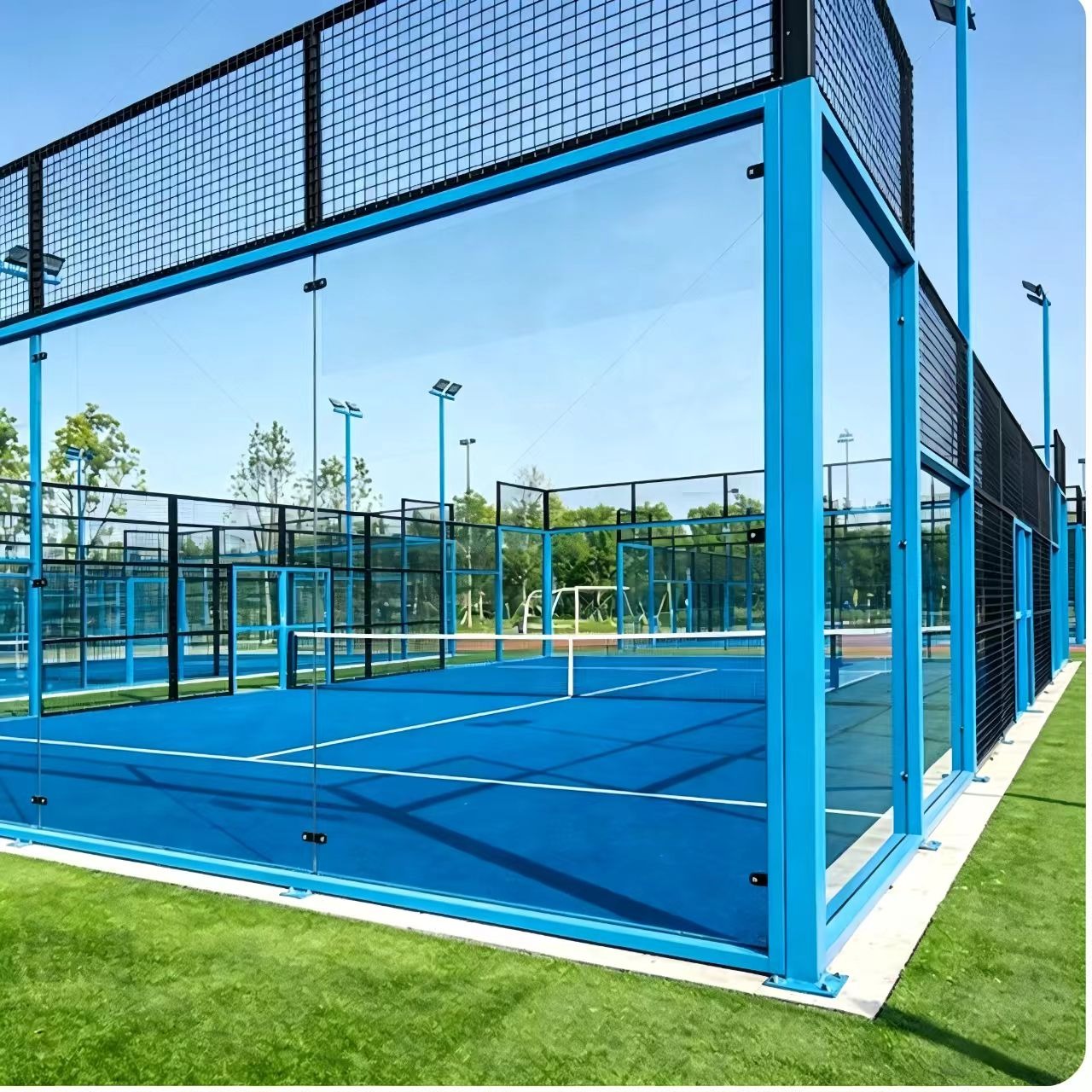
Additional steel columns increase frame rigidity, reduce structural movement and improve wind-load performance.
Classic padel court manufacturer & supplier — durable 20 × 10 m framed courts for clubs, schools and multi-court projects.
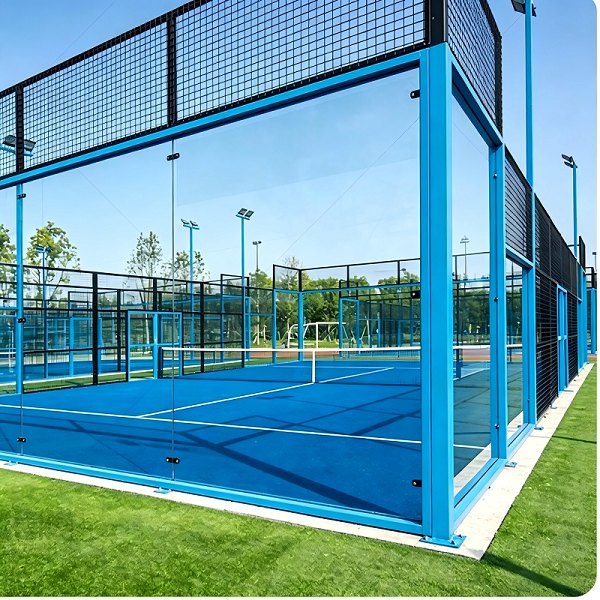
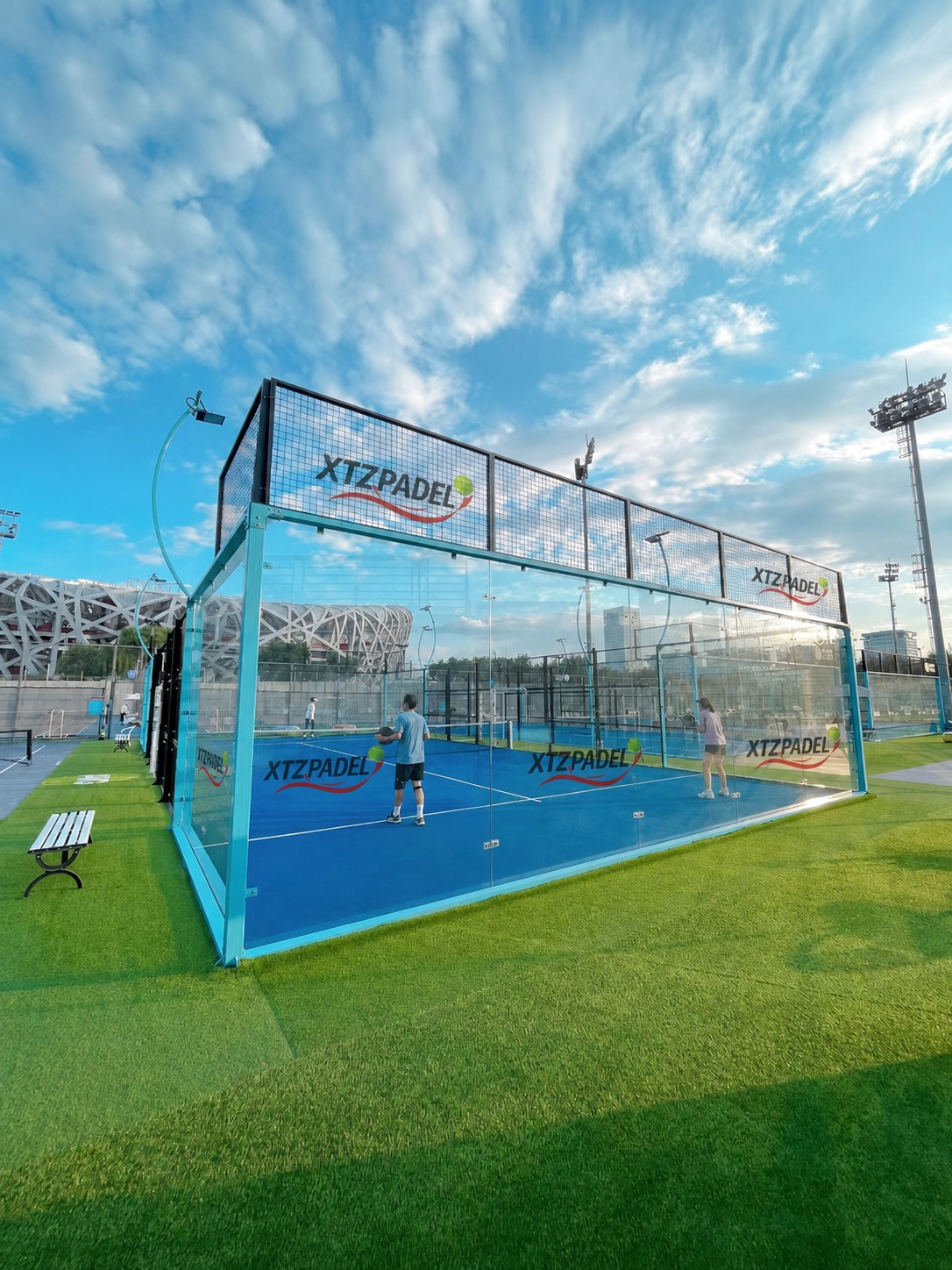
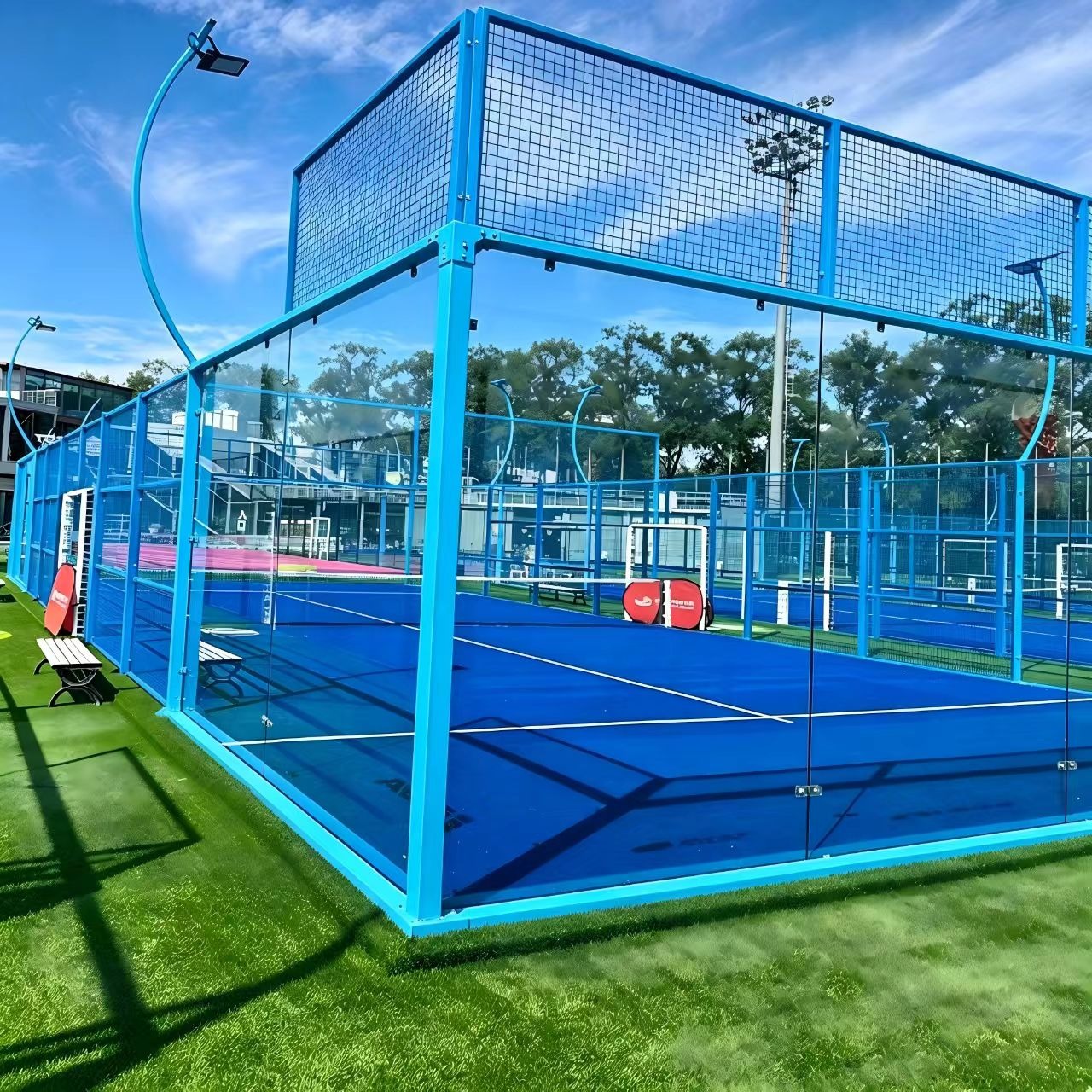
The XTZ Classic Padel Court is a professional standard system for clubs, communities and commercial projects. Additional support columns around the glass enclosure create a rigid, wind-resistant structure, while hot-dip galvanized steel, 12 mm tempered safety glass and professional turf provide reliable daily performance at a controlled investment.
Each XTZ court is configured around its location, operating model and site conditions. Structure, foundations and final components are reviewed before production.
Additional steel columns increase frame rigidity, reduce structural movement and improve wind-load performance.
Consistent rebound, reliable grip and player comfort support recreation, coaching, leagues and tournaments.
Professional components and repeatable modules suit single courts and cost-controlled multi-court developments.
Galvanized steel, powder coating, safety glass and durable turf reduce routine repair requirements.
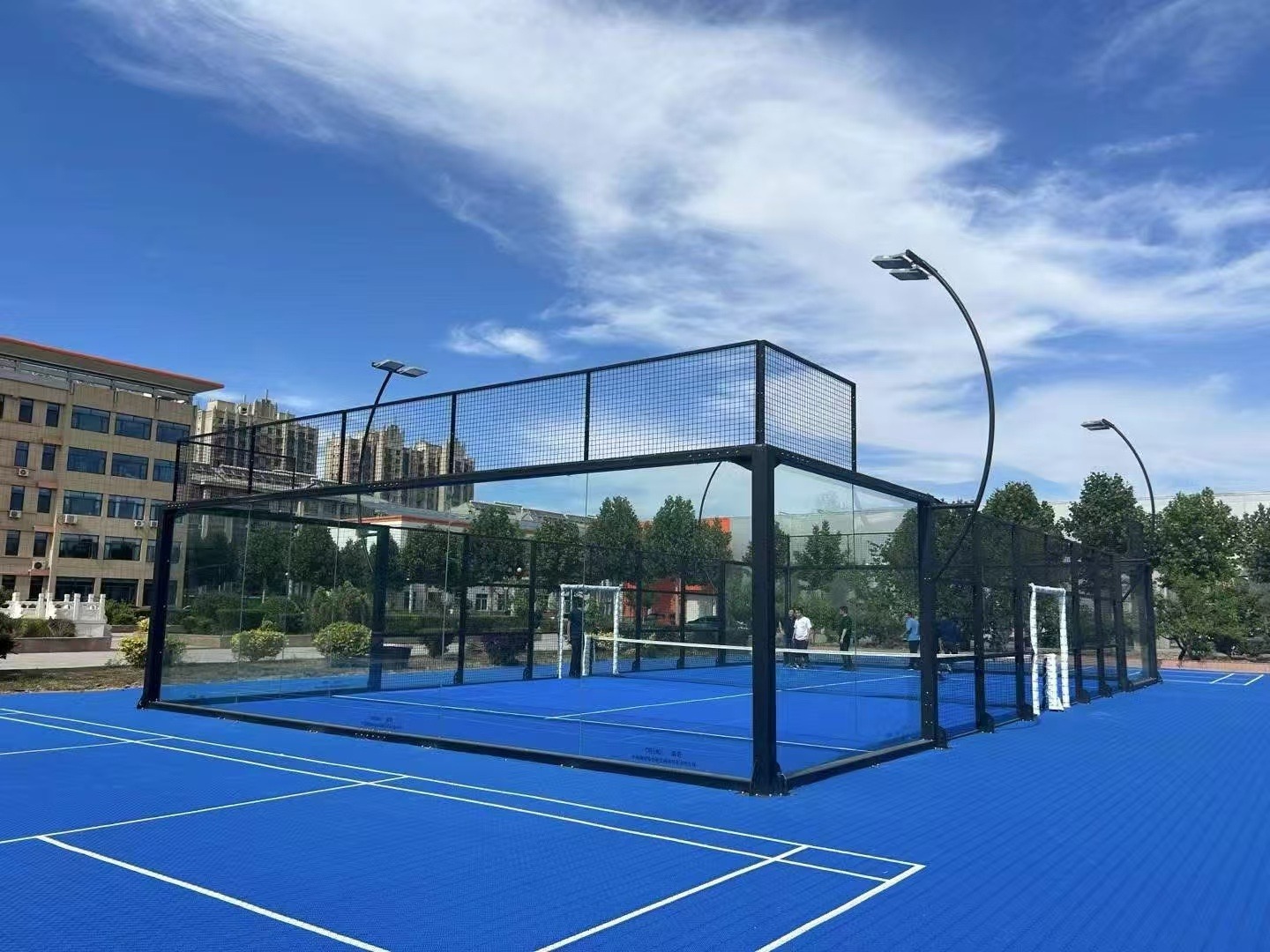
Explore the supplied product images, structural details and completed court configurations.
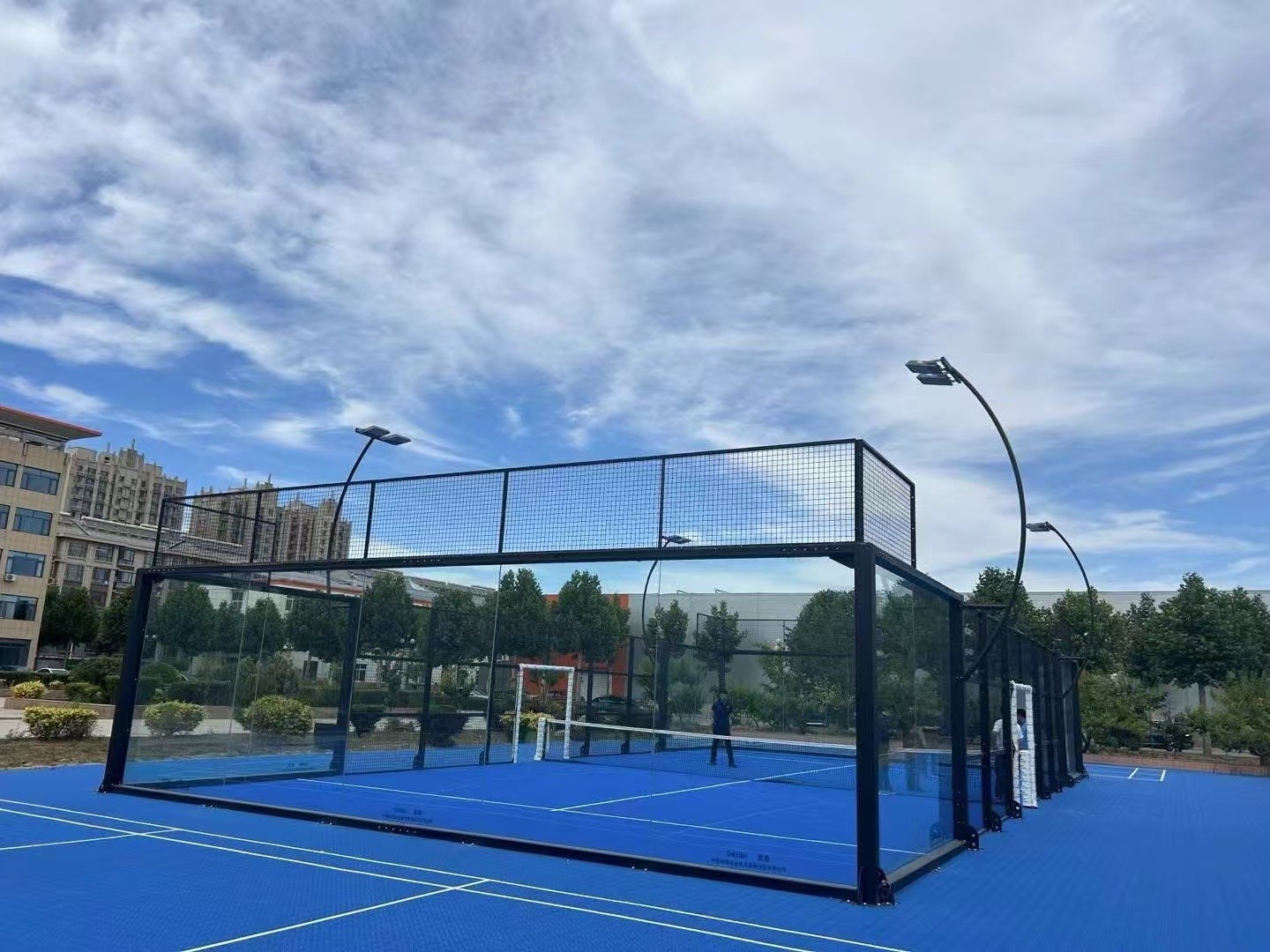
Image 1 of 5
20 × 10 m standard court with a 200 m² playing area.
Hot-dip galvanized steel with durable outdoor powder coating.
12 mm tempered safety glass in a reinforced framed arrangement.
Heavy-duty welded steel mesh with coordinated posts, plates and anchors.
Professional monofilament texturized turf with efficient drainage.
Optional 8 × 200 W LED system with IP65 protection.
Indoor or outdoor with project-specific wind, foundation and circulation review.
Black, white, grey, blue, green or custom RAL; steel structure warranty up to 10 years, subject to terms.
Engineering note: Final dimensions, profiles, loads, glass, foundation, lighting performance and compliance documentation are confirmed for the project location and agreed supply scope.
Each classic court can be adapted before production so the technical package, guest experience and brand presentation work together.
Send the site location, court quantity and preferred opening date. We will help define the right configuration.
Coordinated packages for clubs, academies, schools, public facilities and multi-court developments.
CAD layouts, 3D renderings, structural calculations and factory quality control.
Repeatable specifications, branded documents, packing labels and custom finishes.
Worldwide shipping, door-to-door logistics, manuals and remote technical support.
XTZ Padel manufactures the classic court in our own facility in Hengshui, China, and supplies it directly to clubs, schools, contractors and distributors. Because the court is built rather than resold from a catalogue, the structure, the glass and the turf can all be adapted to the project before production starts.
Most classic courts are bought for a practical reason: the venue needs courts it can book all year, at a cost that still works when the site has more than one court. That is a different brief from a show court, and it is the brief this model is designed around. We supply single courts as well as multi-court programmes, under our own brand or as an OEM specification carrying the distributor's name.
If you are planning a first venue, the padel court buyer's guide sets out the specification checklist, and how to start a padel club covers the commercial planning behind it. If you already have a site drawing, send it and we will return a configuration, a layout drawing and a quotation for the agreed scope.
The classic court is not the budget compromise and not the entry-level option. It is the court for venues where structural rigidity, repeatable installation, low routine maintenance and a controlled cost per court matter more than maximum openness. A quick way to check it against the brief:
| If your priority is… | Look at… |
|---|---|
| A rigid framed enclosure for exposed or wind-exposed outdoor sites | Classic |
| Several courts delivered to the same standard, in one or more phases | Classic |
| Cost per court kept under control across a multi-court site | Classic |
| Maximum openness for spectators, filming or event hosting | Panoramic |
| Bookings all year regardless of rain or strong sun | Covered |
| Non-standard dimensions, roof forms or a specific brand requirement | Custom |
The types are not mutually exclusive on one site. A classic court can carry a frameless show side facing the clubhouse while the remaining sides keep the framed structure, which is a common way to get an open look on one court without changing the standard across the rest of the programme.
A single court is a construction job; six courts on one site is a programme. The classic model is modular, so a multi-court development can be supplied as a repeatable kit: the same structural package, the same glass arrangement and the same components for every court. That keeps the courts consistent with each other and makes the installation sequence predictable for the contractor.
In practice it means the courts can be delivered in phases against a build programme, with components packed and labelled to match the order they are needed on site. Courts used by different clubs or operators can still carry their own branding, court numbering and finish colours within the same structural standard.
Where a programme includes courts with different roles — a show court alongside training courts, for example — the show court can be specified as a panoramic or covered court while the rest of the site uses the classic standard. Send the site plan and the phasing and we will quote it as one programme.
The classic court is specified for heavy, repeatable use: club programmes, school PE lessons, coaching academies and municipal facilities where a court is in play from morning to night. That duty cycle is what drives the specification choices, not the appearance of the court on a brochure page.
The enclosure uses hot-dip galvanized steel with an outdoor powder coating, so the frame resists corrosion in coastal and humid conditions and does not need repainting on a short cycle. The additional columns that separate this model from a panoramic layout are what give it its rigidity on exposed sites, where wind load rather than player comfort sets the structural requirement.
Panels are 12 mm tempered safety glass in a reinforced framed arrangement. Where a panel does need replacing, the framed layout lets a single panel be swapped without disturbing the rest of the enclosure — which matters more on a court that is in use every day than on one that is booked a few hours a week.
The playing surface is professional texturized monofilament turf with drainage designed into the build-up. Routine maintenance is limited to brushing the turf, keeping the drainage clear and inspecting fixings and glass on a schedule. Because the components are standard across the range, spares and replacements do not depend on a bespoke part being re-made.
If you want the maintenance and replacement expectations in writing before you commit, ask for them with the quotation — the buyer's guide lists what to request and what to check on delivery.
It suits projects where structural rigidity, durability, practical value and repeatable installation matter more than maximum viewing openness.
The additional framing increases rigidity and is especially useful for outdoor sites, windy regions and intensive commercial operation.
Yes. Multi-court projects can coordinate finishes, access, packing labels, delivery sequence and installation planning.
Both are possible. Outdoor sites require climate and foundation data; indoor sites require clear height and access information.
The agreed scope can include structure, glass, mesh, turf, lighting, net, doors, fasteners, branding and accessories.
Yes. The court can be supplied under the XTZ brand or as an OEM/ODM specification using the distributor's own name, colours and glass branding. Branding, packaging and the documentation included are confirmed with the quotation, before production starts.
A short site-information stage comes before production. We confirm the location and exposure, the number of courts and their layout, whether the site is indoor or outdoor, the foundation and drainage interfaces, the finish colours and the accessory scope. The confirmed configuration is then issued as drawings and a quotation for the agreed scope, so what is built matches what was approved.
Routine maintenance is limited to brushing the artificial turf, keeping the drainage clear and inspecting the fixings, glass and mesh on a regular schedule. The galvanized steel and powder-coated frame do not need repainting on a short cycle, and because the components are standard, a damaged panel or part can be replaced without re-making a bespoke item.
Start from how the venue will operate rather than from the appearance of the court. A classic court suits sites that need structural rigidity, repeatable installation and a controlled cost per court, especially where several courts are planned. A panoramic court suits sites where spectator visibility, filming or event hosting is the priority. Where the budget is fixed across several courts, the usual approach is to keep the standard classic specification across the programme and upgrade one court if an open look is needed.
Share your site, location, quantity and preferred model. We will recommend a practical configuration.
 English
 Spanish