Padel is expanding fast across Saudi Arabia, and Riyadh is where much of that demand is landing: private estates, hotel rooftops, sports academies and mixed-use developments are all adding courts. For many buyers, the question is no longer whether to build, but where the court itself comes from.
This guide is written for Riyadh-based buyers comparing overseas manufacturers with regional suppliers. It covers what a court package actually includes, how shipping and compliance are handled, and what to check before signing a supply contract.
Why Riyadh buyers look at overseas manufacturers
Local installers and regional resellers play an important role, but the court structure itself — steel frame, tempered glass, turf and lighting — is manufactured in a small number of factories worldwide. Buying directly from the manufacturer gives you three practical advantages:
- Configuration control. Court type, glass specification, turf grade and lighting are specified at production stage rather than chosen from whatever a reseller has in stock.
- Multi-court consistency. Clubs and academies building three or more courts get identical components across all courts, which simplifies maintenance and spare parts.
- Clearer cost structure. Factory-direct pricing separates the manufacturing cost from freight, customs and local installation, so you can see what each stage actually costs.
What a padel court package includes
A complete court is a coordinated system, not a single product. When comparing quotations, check that all of the following are included rather than quoted separately later:
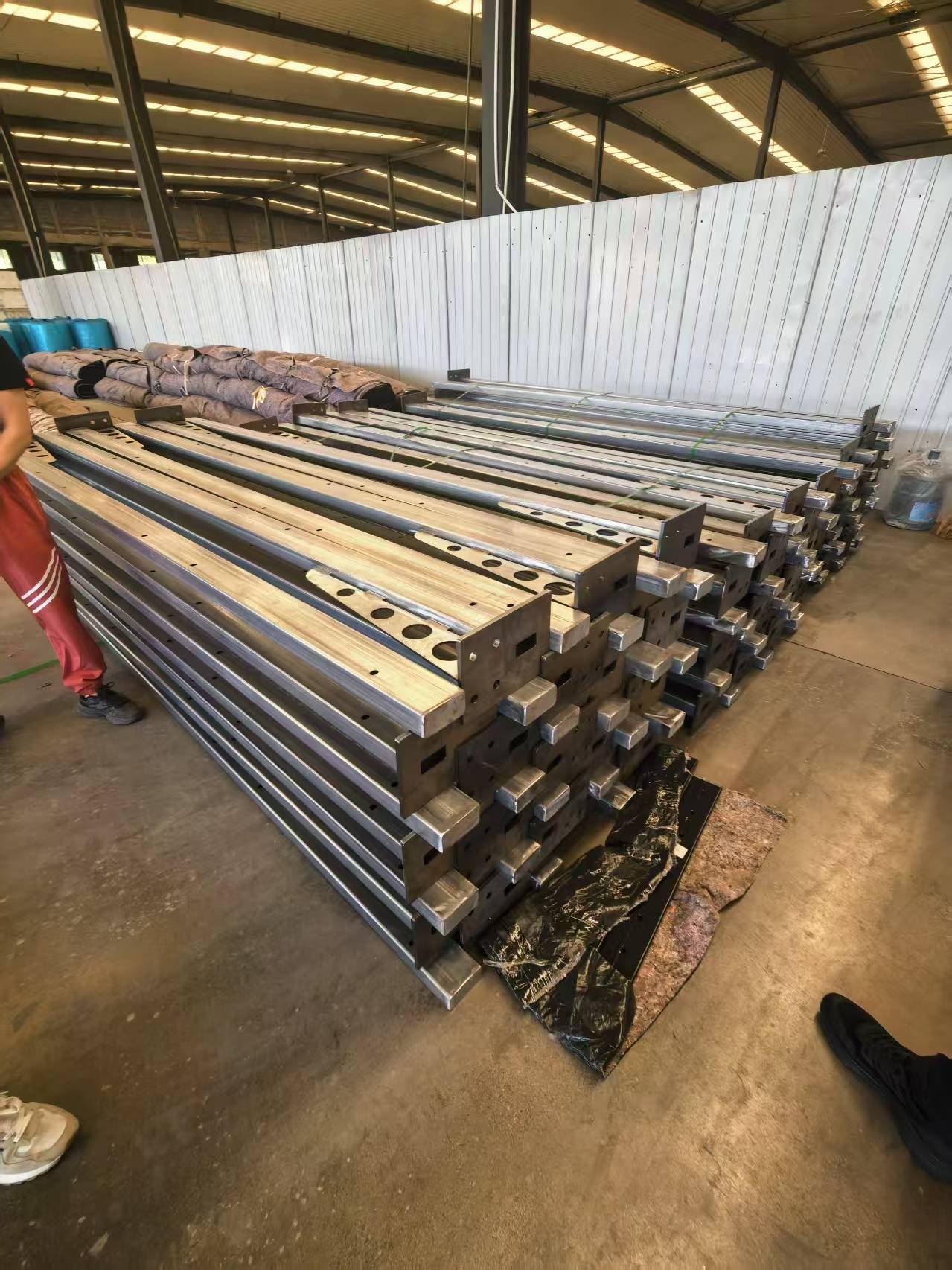
- Steel structure with corrosion protection suitable for the installation environment
- Tempered glass panels and perimeter mesh
- Playing surface (sports turf or alternative finish) and its infill
- Lighting columns, fixtures and cabling provisions
- Net, posts, access doors and ancillary fittings
- Installation drawings, labelled components and assembly documentation
For reference, our standard commercial specification is:
- Steel structure — hot-dip galvanized steel with an outdoor powder-coated finish, for corrosion resistance in coastal, humid, desert, tropical and cold-climate environments
- Glass — 12 mm high-strength tempered safety glass, certified to EN 12150
- Turf — professional monofilament texturized turf, for consistent ball bounce, traction and drainage
- Lighting — optional LED package, 8 × 200 W, IP65, for evening play
- Court size — 20 × 10 m (200 m² playing area) with a competition net
- Steel warranty — up to 10 years
Covered structures use a hot-dip galvanized frame engineered to the wind and snow values from your local code, which matters for exposed rooftop and desert-edge sites. Final specification is confirmed against your site conditions and intended usage.
Choosing the right court type for the Saudi climate
Riyadh combines high summer temperatures with strong sun exposure, which affects both the playing experience and the maintenance profile of the court:
- Covered courts extend playable hours and protect the surface during the hottest months — worth modelling early, because the canopy shares foundations with the court structure. See our covered padel court options.
- Panoramic courts maximise visibility and suit showcase venues, hotels and academy flagships. Details on the panoramic padel court system.
- Portable or modular courts suit venues that cannot commit to permanent groundworks, or projects that may need to relocate. See the portable padel court.
Shipping, customs and installation: plan the sequence
International delivery is routine, but it has a fixed sequence that should be reflected in your project schedule:
- Specification and drawings — court type, quantities, colours and any branding.
- Production — manufacturing and quality checkpoints before packing.
- Export packing and loading — components labelled for on-site identification.
- Sea freight and customs clearance — documentation package for import.
- Site preparation — foundation, drainage and electrical provisions, completed locally before the container arrives.
- Installation — by a local team, guided by the manufacturer’s drawings and remote technical support.
Every court is assembled and checked at our factory in Hengshui, China before it is taken down, labelled and packed, so components arrive identifiable and ready for assembly. On a prepared foundation, a standard court is typically installed within one to two weeks, with installation guidance and coordination provided by our team.
Sea freight transit times and the exact customs documentation package depend on the destination port and the final specification. Confirm typical ocean transit times to Saudi ports (Dammam / Jeddah) and the exact customs documentation list with your supplier before ordering.
Compliance and standards
Import and construction requirements vary by project type and authority. Ask any supplier to state, in writing, which standards their components are tested against and which documents they can supply for your market. Confirm which certifications apply to the Saudi market, including SABER / SASO requirements, before placing your order.
How to evaluate a padel court manufacturer
- Ask for the full component list and the grade of each material, not just the court model name.
- Request recent project photographs and, where possible, references from projects in a similar climate.
- Confirm who handles what: manufacturing, freight, customs, foundation, installation, after-sales.
- Check the warranty terms, including whether local installation is permitted and which inspection records are required.
- Verify spare-part availability for glass panels, turf and lighting.
Frequently asked questions
Can a court be supplied without local installation?
Yes, and it is common. The manufacturer supplies drawings, labelled components, assembly guidance and remote technical support while a local contractor handles foundation and assembly. Warranty terms should confirm this arrangement explicitly.
How many courts fit in a typical plot?
Each standard court requires the playing enclosure plus circulation, lighting clearance and access space. Final layout should be confirmed against a site survey. See our padel court project checklist for the full pre-installation sequence.
What drives the total cost?
Court type and glass specification, the number of courts ordered, freight and customs, foundation and groundworks, lighting, and any covering structure. Our padel court cost guide breaks these elements down in detail.
Do you supply spare parts?
Spare-part supply for glass, turf and lighting should be confirmed as part of your quotation. Confirm spare-parts coverage and stock policy with XTZ as part of your quotation.
Next step
Send us your site location, planned court quantity, indoor or outdoor format and target opening date. We will confirm the court configuration, the documentation package for Saudi import and a project quotation.
XTZ Padel Team — padel court manufacturer supplying complete court systems for clubs, resorts, schools and private developments. Structure, glass, turf and lighting coordinated as one package, with export documentation and remote installation support.